Why Commercial Mortise Locks Outperform Standard Door Hardware
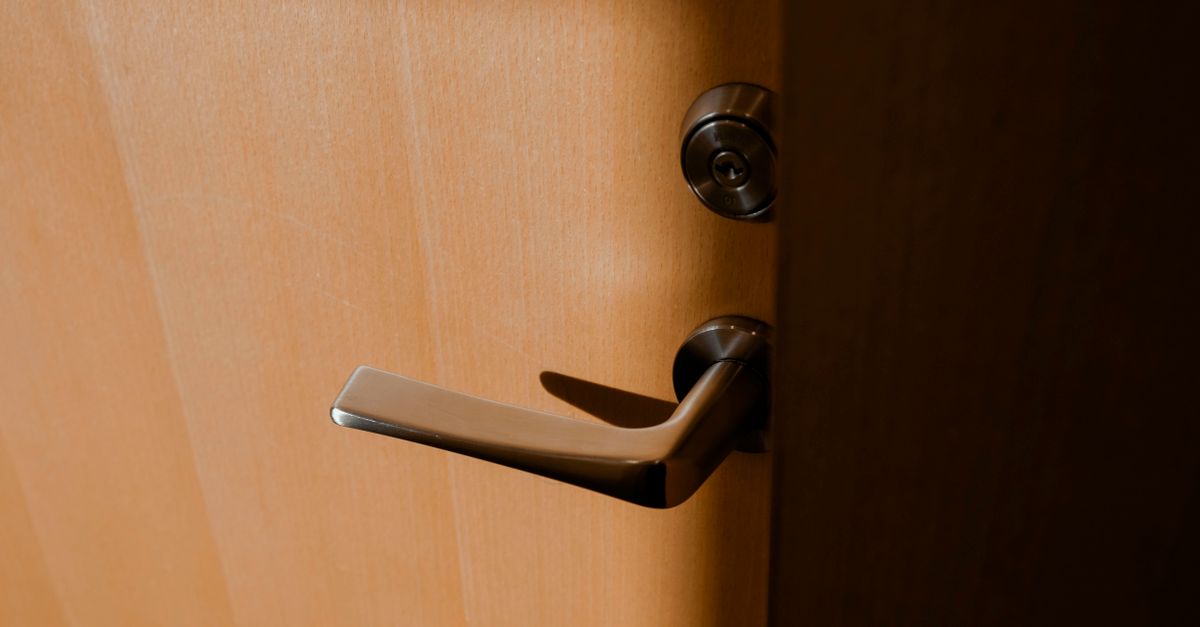
A mortise lock is machined into a rectangular pocket — the mortise — cut into the door's edge. Because the entire lock body is embedded in the door, it distributes force across a much larger footprint than a cylindrical deadbolt or a door knob lock drilled through the face. The result is a mechanism that resists both kick-in attacks and lateral prying far better than surface-mounted alternatives. For high-traffic storefronts that cycle hundreds of people a day, or offices where multiple keyholders need reliable access, that structural difference is significant. When clients ask about mortise locks vs. cylinder locks, we walk them through load distribution, rekeying flexibility, and long-term cost — because the right hardware choice today prevents expensive failures later.
Commercial-grade mortise lock sets also integrate multiple functions into one unit: a latchbolt for latching the door on closure, a deadbolt for security, and often a passage or privacy function for interior suites. Many units accept interchangeable cores, meaning a commercial mortise lock cylinder can be swapped without disturbing the lock body — a major operational advantage for offices managing staff turnover. Top-grade trim lines from manufacturers such as Schlage and similar heavy-duty brands are designed to ANSI/BHMA Grade 1 standards, the highest cycle-rating available for commercial applications.