How Transponder Key Programming Works — and Why It Matters
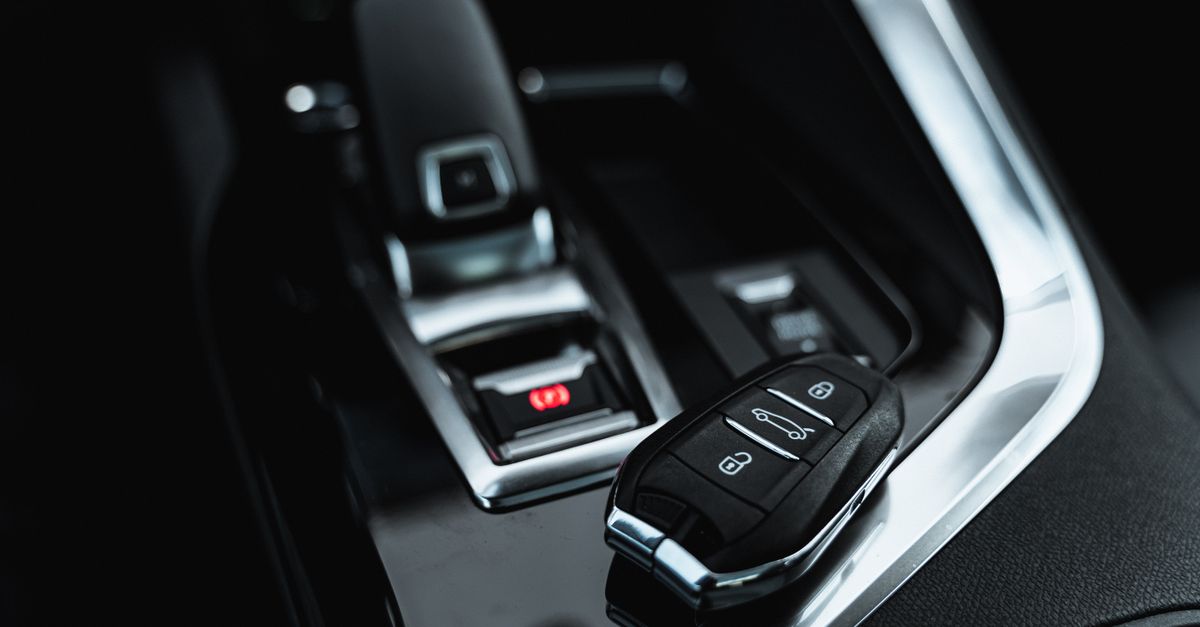
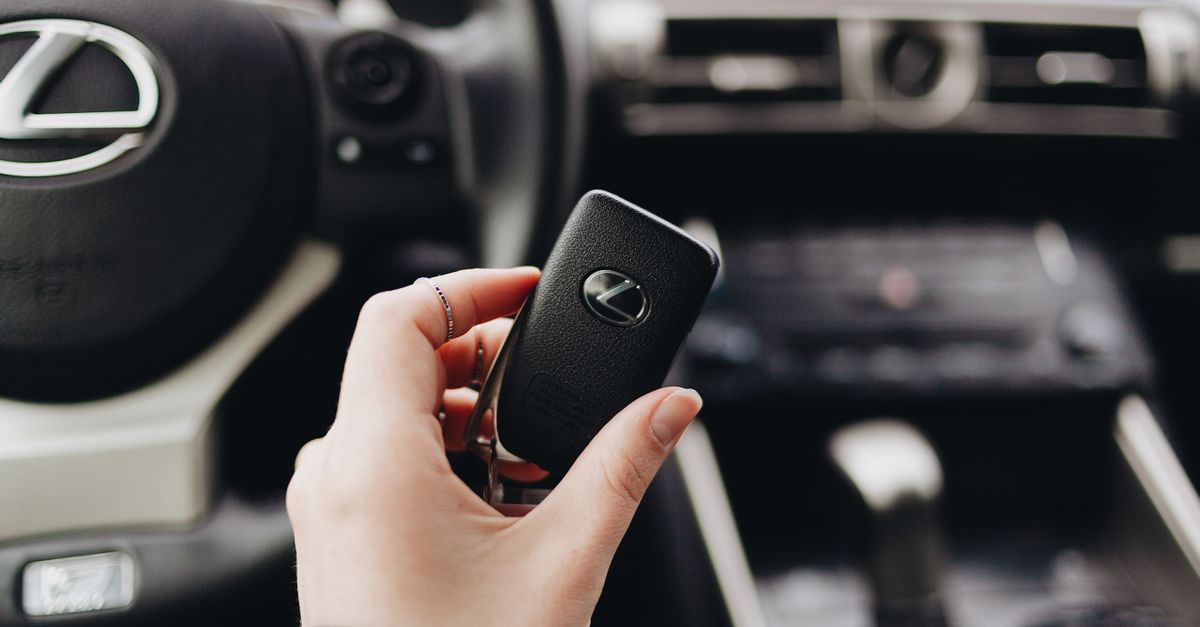
A transponder key contains a tiny radio-frequency identification chip embedded in the plastic head of the key. When you insert the key and turn it, the car's antenna ring reads the unique code broadcast by that chip. If the code matches what's stored in the vehicle's immobilizer control unit, the ECU allows the engine to start. If the chip is missing, damaged, uncoded, or programmed to a different vehicle, the engine won't turn over even if the key cuts are physically correct. This is why a hardware store copy of your key will unlock the door but leave you sitting in a car that won't start.
Transponder chip programming — or key programming more broadly — involves using specialized equipment to either write a new code into a blank transponder key or clone the signal from a working key and transfer it to a replacement. The process varies significantly by vehicle make, model, and year. Some older systems use fixed codes and are relatively straightforward; late-model vehicles from manufacturers like Toyota, Honda, Ford, GM, and Chrysler use rolling codes, encrypted immobilizer protocols, or proximity-based smart keys that require pin extraction from the vehicle's OBD port. Our technicians carry equipment and software capable of handling this full range of vehicles, and they stay current with the programming requirements of newer models on the road in the Mississauga area.